
In the software testing world, the use of forward-thinking tools is very important to make sure that high-quality applications are delivered. A tool that has gained immense popularity recently is Tricentis Tosca. One of its main advantages is the use of embedded controls and the control framework in Tosca, which is a vital part of the automatic test process. This blog will elaborate on these concepts and discuss their testing strategy progress.
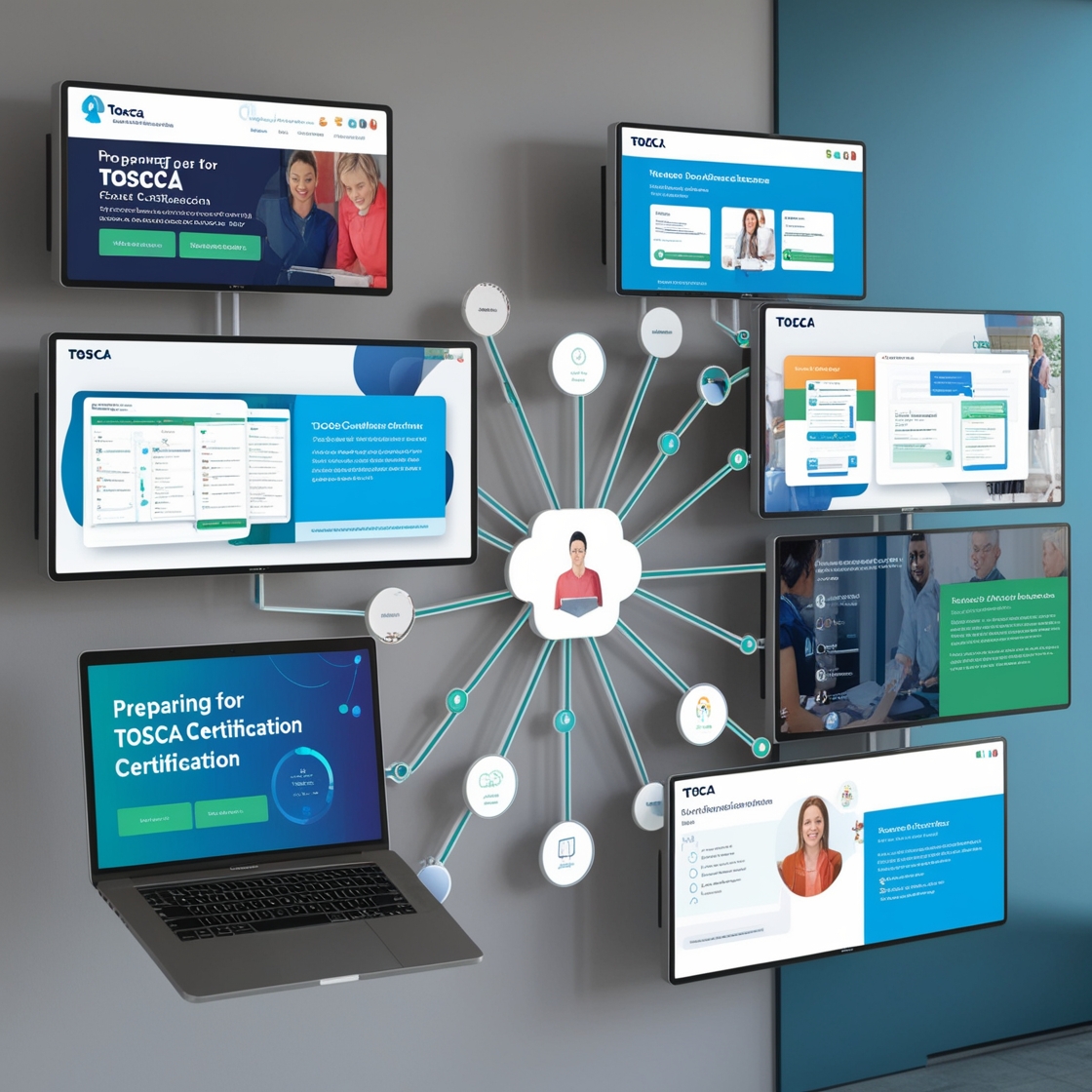
What are Embedded Controls in Tosca?
Embedded controls are essential components in the Tosca testing environment that activate testers to interact smoothly with the application under test (AUT).
These controls can be buttons, text disciplines, drop-down menus, or any other UI elements that users engage with. To put it simply, embedded controls in Tosca aim to make the test automation process easier by enabling the tester to have direct access to the controls and thus, creating a test case that is more perceptive and manageable.
Benefits of Embedded Controls
- Amplified Test Resourcefulness: Making use of embedded controls, testers can now swiftly detect and exploit UI elements, which results in the reduction of the time spent on the test creation.
- Improved Test Coverage: Greater access to controls is another important parameter in the success of the test, as testers can research more events and hence cover a wider area of the application.
- Real-time Interaction: By having embedded controls, testers can now know for sure that UI elements work correctly if the testers can interact with them in real-time, thus, heightening the detail of test results.

Control Framework in Tosca
This control framework shows a mechanism for the management and use of embedded controls. The framework puts the controls in an organized way making it easy for the testers to find and use them properly. It connects the test situations with the UI components of the application.
Major traits of the Control Framework
- Reusability: One of the net benefits of the control framework is its high degree of reusability. Testers set up a library of controls that can be used again and again across a range of test examples, which reduces testing time and workload.
- Centralized Management: The control framework furnishes centralized management of UI controls which in turn helps routinely service and upkeep them as the application develops.
- Support for Multiple Technologies: Tosca’s control framework is compatible with different technologies to affirm capability in several application types, covering web, movable, and desktop devices.
Effective strategies for Capitalizing on Embedded Controls and Control Framework
For augmenting the advantages of embedded controls and the control framework in Tosca, look at the abiding by expert recommendations:
- Ambiguous Control Types Definition: Confirm that the control types are well-defined in the framework to avoid confusion and optimize the testing process.
- Regular Updates: Apply the control library transitions to the latest version of the application’s UI. This way, your test examples opt against go out of date, and your testing will be more functional.
- Upgrade Development Team Cooperation: Join hands with developers to be able to read the UI elements and know what they do, thus, strengthening the exactness of your controls that are online.
- Documentation: Keeping all-encompassing documentation of the control framework and its related controls will make it much easier for new team members to join the team.
Closing
Tosca's embedded controls combined with a framework can really help you get the best out of your testing. Through the perfection of UI elements interaction and the support of reusability, these features grant the testers to develop compact, useful test situations. As the software development sector keeps on changing, the application of these modern testing tactics will make sure that your product is not only functioning but also of the top quality. Make testing with Tosca your new superpower and discover the freeing scopes of what you could achieve!
