
Refining workflows with SCCM: Uncomplicating IT Management
IT management hinges on resourcefulness. Systems Center Configuration Manager, also known as SCCM, is a pioneer in the area of IT operations rationalization for companies all over the world. But what the heck is it SCCM, and how does it make a breakthrough in IT management?
What Does SCCM Stand For?
SCCM refers to System Center Configuration Manager. Created by Microsoft, SCCM is a management tool that can be used to control a large number of computers and devices running Windows OS. It is mainly used for managing the deployment, management, and security of devices and applications surrounded by an organization.

What is SCCM Used For?
SCCM is used for a variety of imperative IT management tasks:
- Deployment: Through the linked network of computers, it can deploy operating systems, applications, and updates. Therefore, organizations are guaranteed that all their devices are up-to-date and following company policies.
- Inventory Management: SCCM can give you a explicit list of the hardware and software that is on each of the devices. With this tool, IT can supervise the software, hardware, and licenses of the asset which are vital for capable tracking of the assets.
- Software Updates: More than ever protecting systems is mandatory to uphold a cybersecurity agenda. SCCM streamlines the software upgrade and patch process, prioritizing vulnerability mitigation for all devices.
- Endpoint Protection: It won compatibility with Windows Defender making it an endpoint protection tool that gives extra defense from malware and other dangers.
- Conformance Monitoring: SCCM checks that organizational policies are being complied with and that regulatory conditions are met. It can apply security configurations to make sure the devices are following security standards.
How SCCM Works
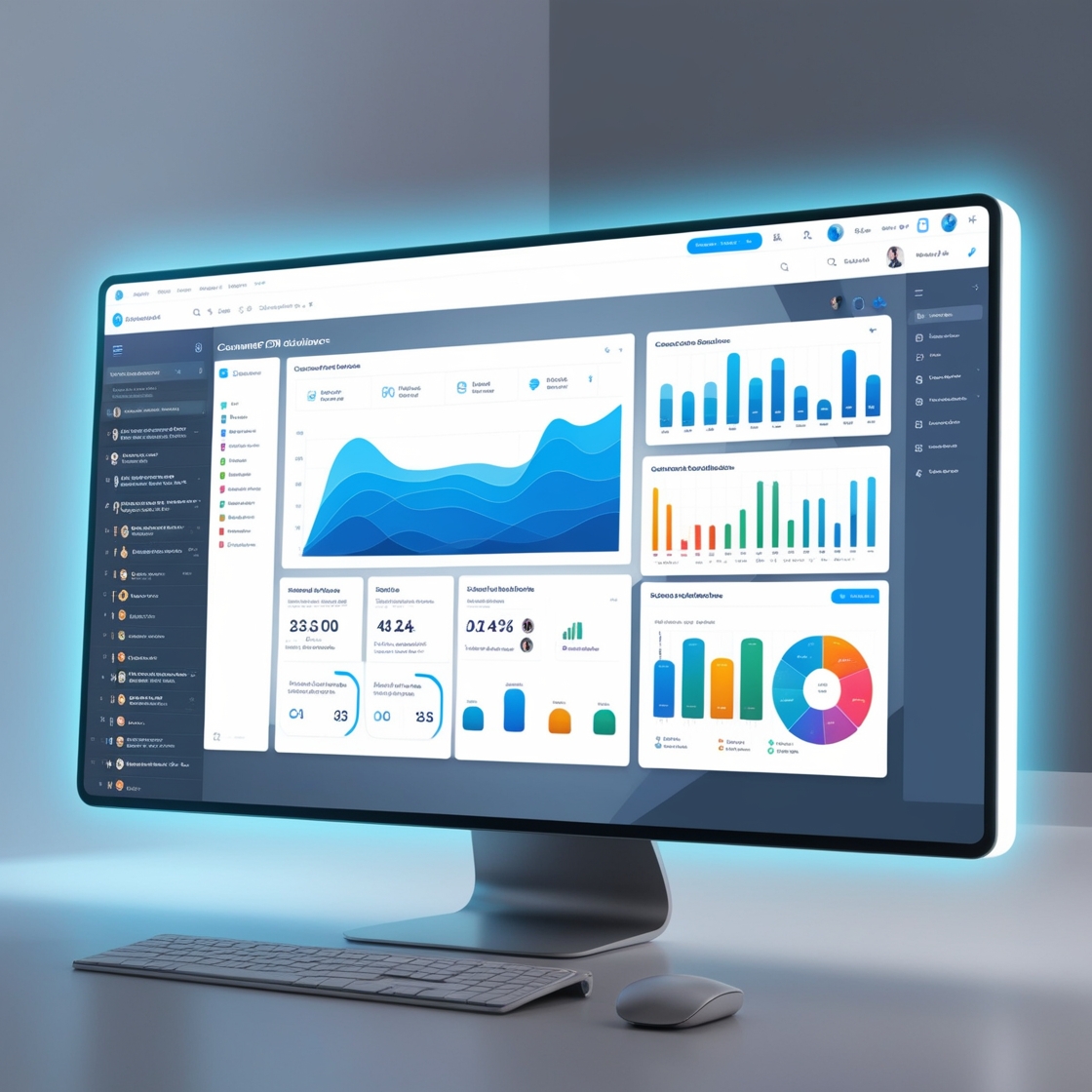
SCCM follows the client-server model and employs a few main components:
- Site Server: The main server that contains the whole SCCM infrastructure, from the SCCM database to management points and distribution points.
- Client Agents: These agents, which are installed on the managed devices, are the little communicating parts which talk to SCCM, give instructions, and tell how they are doing.
- Database: Contains the configuration data, inventory facts, and other relevant data collected from the devices that are managed.
- Console: The administrative interface used by IT administrators to set up the settings, deploy applications, and keeper the SCCM environment.
How Does SCCM Work?
The procedure of SCCM can be summarized as follows:
- Discovery: SCCM discovers devices on the network and connects client agents to them.
- Inventory: It gathers the data of the hardware and software inventory from the client devices, thus, giving the admin a minute overview of IT assets.
- Deployment: Keeps up SCCM in the case of deploying operating systems, applications, and updates to client devices, either through manual or automated deployment rules when deploying operating systems, applications, and updates to client devices. Even so, this may also be done in a manual or automated manner.
- Monitoring and Reporting: SCCM health and accordance of devices managed are constantly monitored by SCCM. It produces reports which authorize the administrators to appraise the efficacy of IT management protocols.
- Security and Obedience: SCCM secures and guarantees devices are compliant by enforcing surveillance of security policies, deploying deploying security updates, and doing performing regular vulnerability assessments.

Deduction
To sum up, SCCM is important in the IT infrastructure world which is modern-day because it is the one that automates and makes easier the management of the routine tasks. Through exploiting the powers of SCCM, the organizations can be able to amplify the operational effectiveness, uplift the security posture, as well as, seemly compliant with the regulatory prerequisites. Even as technology develops, SCCM will still be an important part of the IT professional's toolbox which will help them to deal with the difficulties of managing the different and changing IT atmosphere.
