
Introduction to SCCM: A Thorough examination
In today's fast changing world of IT, it is hard to direct and keep a fleet of computers in an organization This is where System Center Configuration Manager (SCCM) comes in as a rigid option, providing IT, managers with powerful tools to optimize and automate many of the functions related to endpoint management Facilitate's delve into the basics of SCCM, assess key features, and understand the benefits it brings to enterprises
Basics of SCCM
What is SCCM? System Center Configuration Manager, usually abbreviated as SCCM, is a full-range software management tool developed by Microsoft It supplies a isolated interface for the management of endpoints such as desktops, laptops, servers, and pliable devices within the confines of an organization
SCCM makes very easy for IT administrators software deployments to be automated, conformance policies to be enforced, updates to be managed, and system inventories to be performed at a soloist point of control.
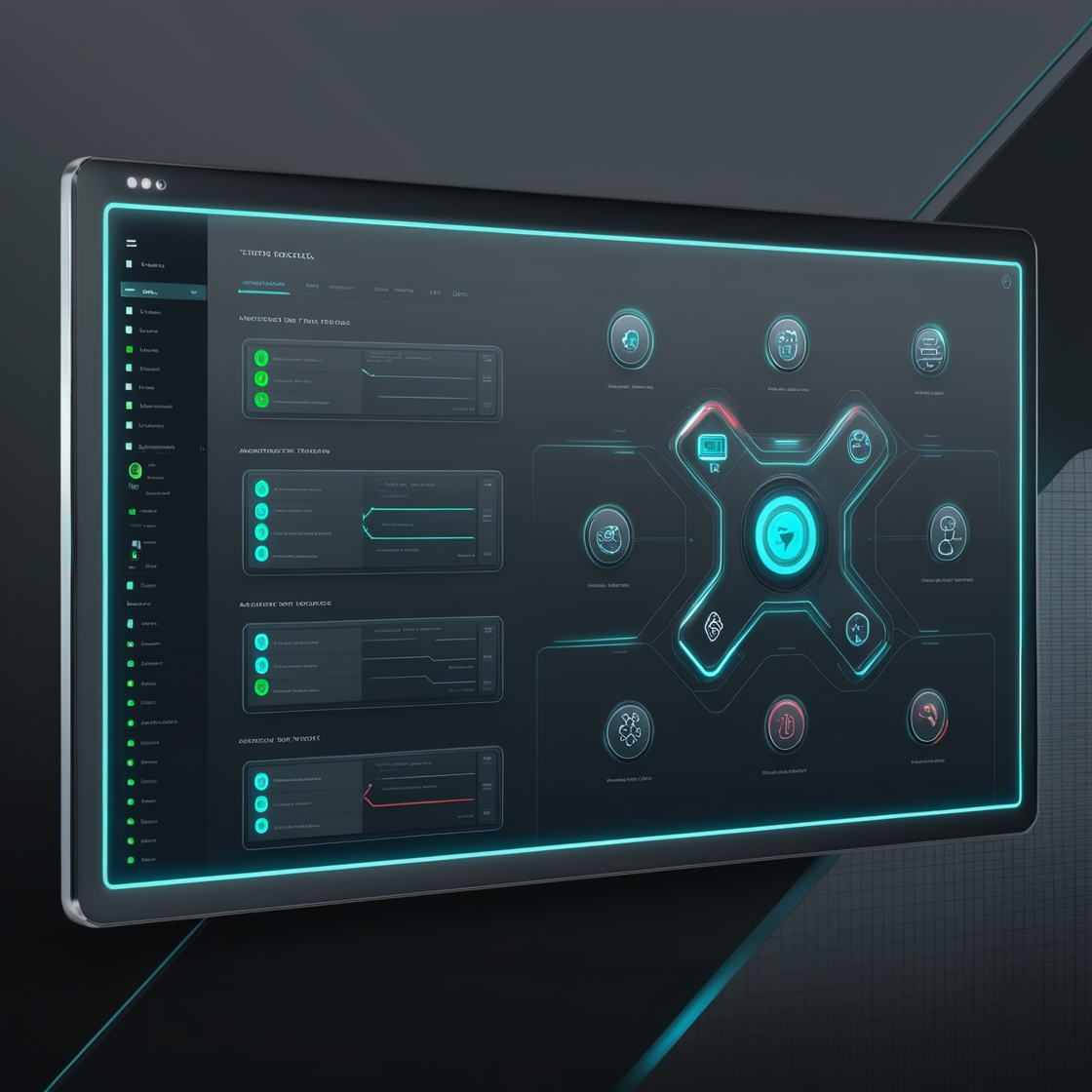
Crucial parts: SCCM entails several main components:
- Site Server: The management and administration logic's center.
- Distribution Points: The store where you keep and send your delighted to your clients.
- Management Points: Managing client communication and policy requests is the main objective of this point.
- Database: The place where you store configuration data and deployment reports.
Deployment Situations: SCCM encompasses multiple deployment occurrences such as software distribution, operating system deployment (OSD), endpoint protection, and software update management. It utilizes joint forces with Active Directory and other Microsoft technologies for a management experience that is integrated.
SCCM Features and Benefits
1 Software Distribution: SCCM is a software that helps administrators send packages and updates to endpoints with minimal effort. It also enables the automated deployment of rules that are targeting devices or user groups that have been predefined.
2 Operating System Deployment (OSD): A uncommon attribute of SCCM is its ability to deploy an operating system to brand-new or already-existing devices This policy encloses bare-metal installations, refresh plots, and in-place upgrades, all of which are handled from a unmarried console.
3 Endpoint Protection: SCCM comes with centralized endpoint protection management along with Microsoft Defender for Endpoint (formerly known as Windows Defender). Administrators can set antivirus policies, view the cybersecurity status of endpoints, and take immediate action in case of threats.
4 Patch Management: Security and stability are two factors that systems should always be kept up-to-date to guarantee. SCCM eases the process of patch management through strengths of automatically deploying security updates and patches to endpoints in conformance with organizational policies.
5 Reporting and Obedience: SCCM is fitted with powerful reporting tools that offer minute insight about system types, software applications, accordance status, and so on. Customizable reports activate administrators to be data-driven and show evidence of obsequiousness to several stakeholders.
Benefits of SCCM:
- Centralized Management: SCCM gives a centralized point of being trusty management of many IT context, it consequently reduces the administrative overhead.
- Automation: It carries out standard activities like software installations, updates, and conformance checking with auto-run, hence, more productivity.
- Security: It proclaims refined endpoint protection via integrated antivirus systems and patch management.
- Expandability: From the very smallest businesses up to the largest organizations it can alter to a varied range of IT infrastructures and organizational requisites.

Termination
In the end, System Center Configuration Manager (SCCM) is a key supporter of IT management. It gives different tools that consent to managing endpoints capably and dependably. From software distribution, to patch management, to endpoint protection, SCCM cuts down administrative tasks and increases the productivity of the organizations. As more organizations move to the digital domain, SCCM is still a vital tool in the management and security of IT atmosphere.
Regardless of provided that you are a new SCCM user or examining to upgrade your current deployment, empathy its basics and making use of its features can yield a key positive impact on your organization's IT operations. For more SCCM discernment, please stay connected for upcoming posts on progressive talent and standard procedures.
