
Nowadays, in the fast-moving digital environment, automation has become a necessity for every enterprise that wants to make its operations expedient and to avoid mistake, automation makes it all possible. Among the different tools available for test automation, the one that indeed shines through the most is Tosca. This blog will take you through the core concepts of Tosca automation, giving you an overview of its characteristics and usage and the way your testing operations can be changed.
What is Tosca Automation?
Tosca is a powerful automation tool that is conceptualized and developed by Tricentis and missions to facilitate the whole software testing life cycle. The revolutionary way of this testing instrument features the testers to perform and add tests in an effortless and straightforward way and they do not have to be technically-oriented or well-versed in employing coding. It also helps the teams that are in the process of or trying to move to automation with restricted resources related to programming.
Basics of Tosca Automation
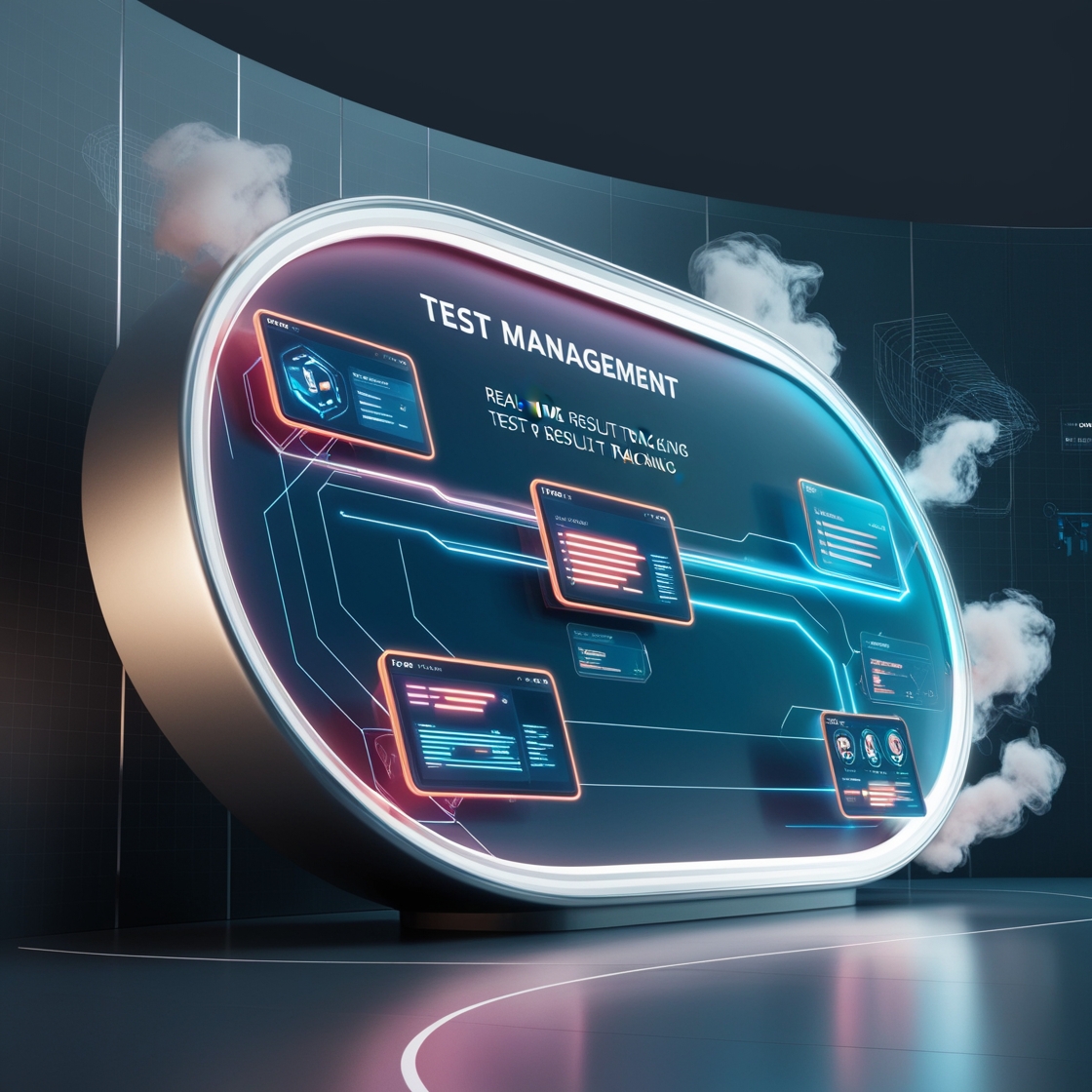
Debating on the distinct attributes of Tosca, permit us first contemplate some underlying concepts:
1 Model-Based Testing
Model-based testing is the nucleus of Tosca's methodology. This technique permits testers to generate a model of the application under test, which is the blueprint for the system's structure and gestures. The model comes in handy and you can punch automated test events most quickly and successfully, thus the considerable amount of time that is used to be spent on manual scripting has been reduced.
2 Test Case Scheme
Tosca boasts of instinctive test case layout utilities that you can use to make easily The adoption of a user-friendly strategy to the creation of test instances is possible exploiting its software which comes with reusable components and templates. This certifies the solution's cohesion with test events across the board and the ease of service.
3 Integrating with CI/CD Pipelines
In today's fast-paced development world, it is important to incorporate CI/CD pipelines. Tosca integrates correctly with well-known CI/CD tools such as Jenkins and becomes capable of conducting automated tests as a part of the build process via the CI/CD pipeline. This integration supports the team members' collaboration, and eventually, the team would work towards quality.

4 Risk-Based Testing
Tosca makes risk-based testing possible, and through the use of these features, a team can evaluate the risk associated with a test case and then order it. Thus, the most major uses are tested first which assures that a proper distribution of resources is done and test coverage is improved.
Step 1: Installation and Setup
Begin by downloading Tosca from the official Tricentis website Follow the installation instructions to set up the environment on your system
Step 2: Generate a Test Project
Once installed, produce a new test project in Tosca
Support for Multiple Technologies
This performs as your workspace for managing testing situations, the data relevant to those, and configurations
Step 3: Model Your Application
Test your application's model-based capability employing Tosca features. Thus, you will develop a blueprint of your application that will act as the base for your automated tests.
Step 4: Framework Test Situations
The easy-to-use interface applied by the users for a test case is based on the model they developed. Capitalizing on reusable components secures the competence and sustainability of the testing process.
Step 5: Enforce Tests
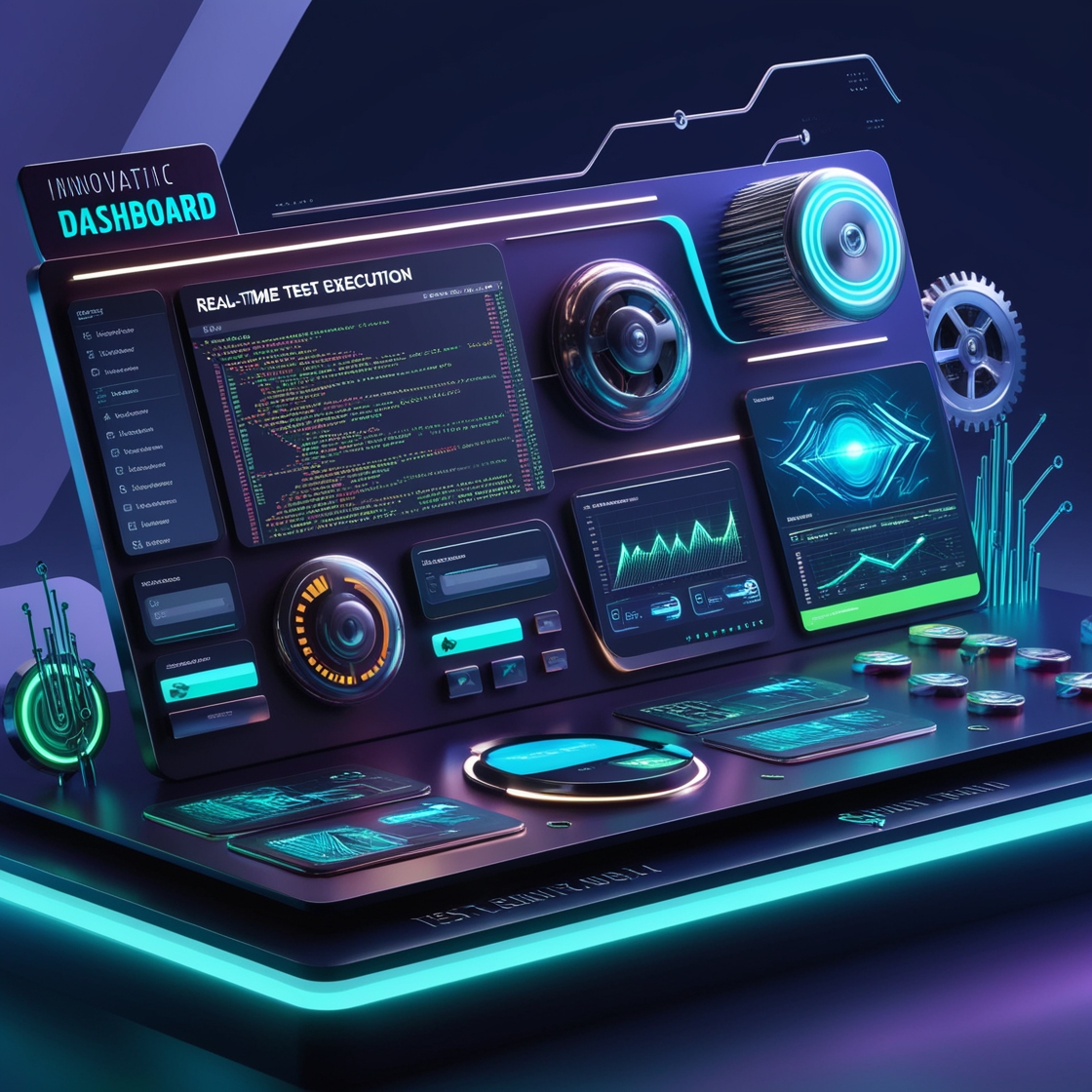
Test your case sketch within the bounds of the Tosca environment, and run them accordingly. Accordingly inspector the results and perform the required shifts based on the feedback.
Step 6: Integrate with CI/CD
To get the maximum benefits of the automation process, connect Tosca to the CI/CD pipeline, thus, it will make it possible for testing to be done in an automatic manner out wanting, quality to remain at a fit throughout the development process.
Result
Tosca automation gives a firm base for organizations that aim to upgrade their testing processes as a framework. The fact that it uses a model-based testing tactic, friendly interface, and its proficiencies of integration make it possible for teams to achieve faster and more truthful testing results. By receiving the rudimentary knowledge of Tosca automation, the power of your testing strategy can be unleashed thus, your projects' success is inevitably.
Regardless of you being a beginner or someone desiring to perfect your already existing processes, adaptation of Tosca automation is your way to expediency and quality in software development. Jump into your Automation odyssey and feel the difference!
