
System Center Configuration Manager (SCCM) is one of the important IT tools for the IT administrators which assist them in managing and monitoring the devices operating in a networked environment. One of the critical aspects of thriving SCCM management is the securing knowledge of log files it generates. In this blog article, we shall first understand the SCCM Remote Control Viewer Logs, the SCCM Reporting Services logs and the other Windows SCCM logs, which will be an insight into the merits and they way to access these.
SCCM Remote Control Viewer Logs
The SCCM Remote Control) is a property through which the admin can remotely connect to and oversee the client computers. Remote Control Viewer decision log is essential to troubleshooting and keeping operations remote smooth.
Central points:
- Location of Logs: Remote Control Viewer logs usually exist on the client computer in the directory -C:\ProgramData\Microsoft\Configuration Manager\AdminUI\Logs\.
- Log Files: The main log files associated with remote control are the following ones:
- RemoteControl.log: Diagnoses remote control sessions and tracks connection attempts and session statuses.
- RctClient.log: The client-side logs remote controls, which are sent to the server and can be used to resolve the issues.

Worthiness:
Seeing those logs might trigger the administrators to the failed connection attempts, session timeouts, or configuration issues that in turn lead to the speedy resolution and boosted system performance.
SCCM Reporting Service Logs
SCCM Reporting Services is an important component of the rein generation of reports based on the data collected from the managed devices. You can see what logs are produced by this software and consequently, you will know where the problems in reporting can be found and if your data is correct.
Primary considerations:
- Location of Logs: Sometimes, the tightening and relaxation of each capsule of the sacrospinous ligament inward and outward due to phenomena generated by temperature occur. According to SCCM Reporting Services, the logs are generally located in the C:\Program Files\Microsoft SQL Server\MSRSXX.MSSQL
- ReportServerService__*.log: The log files are the sources of the entries indicating the operational status of Reporting Services issues that are detected by the systems.
- ReportServer__*.log: Gives errors that occurred during the report execution and if anything has been flagged in a report.
Weight:
Regular tracking of the logs helps to detect easily when issues in the report generation occur chief to errors of the connection to the database or unsuccessful translation of reports. Thus, the stakeholders are fully sure to get the correct details on time.
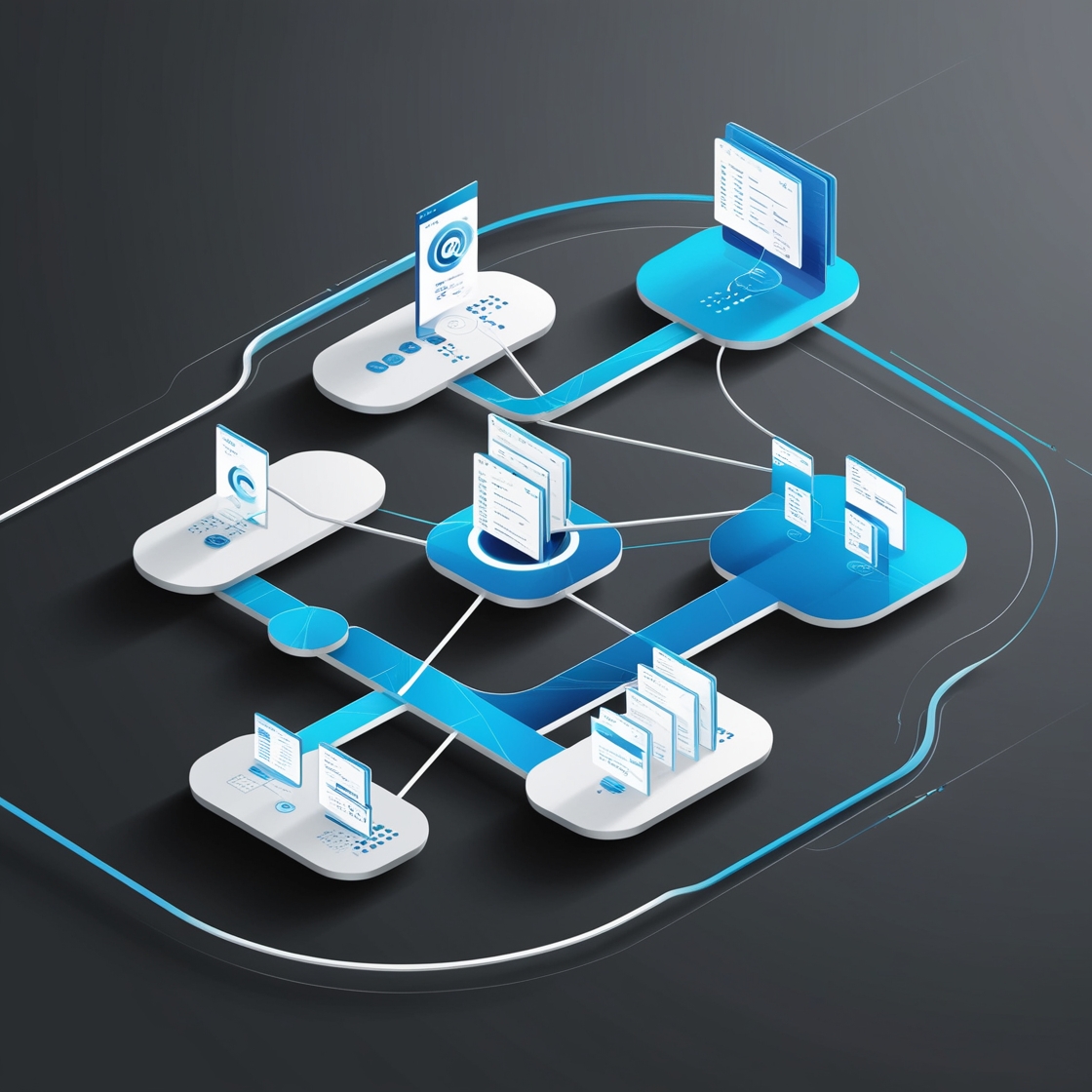
Other Windows SCCM Logs
Aside from Remote Control Viewer and Reporting Services logs, SCCM also gathers multiple other logs that are important in case of troubleshooting and system preservation.
Frequent Logs to Keeper:
- Client Logs: Residing on the client computers, these logs (e.g., ClientLocation.log, DataTransferService.log) give data about client health and configuration.
- Site Server Logs: The site server being the area where these logs are spotted, the logs (e.g., SiteComp.log, MP_ClientID.log) are the primary means for assessing the site server's performance and client server communication.
Weight:
Each log tracks a explicit function and thus monitors the SCCM environment crucially Often reviewing these logs, the SCCM administrators can identify patterns and make the mandatory quantifiers to solve the problem, thus avoiding escalation.
Resolution
Comprehending the SCCM logs as well as the Remote Control Viewer and Reporting Services logs, and properly managing them is the key to verifying the IT department is in a good state. Through logging routinely, IT administrators can fix problems expediently, perfect remote management performances, and affirm the data is correct.
If you are examining for a more convenient way, you may delve into log management tools that can correlate and dissect these logs and it will help you to figure out the real data easily.
Placing log monitoring at the top of your SCCM management strategy helps you get more aware systems and makes the user experience in the company even finer
